
Choose a cause
to support.
Fund a real project today: clean water and newborn care in Ghor, and skills for women in Nangarhar. Or give to the general fund and we’ll direct it where it’s needed most. Any amount, once or monthly.
Not sure which to choose? Give to IGI’s general fund and we’ll direct your gift to the pilot that needs it most: clean water, newborn survival, or women’s livelihoods.
A general gift gives IGI the flexibility to move fast, covering the pilot closest to its goal, responding to an urgent need, or seeding the next locally-run project. Every dollar stays with the work, and we report back on where it went.
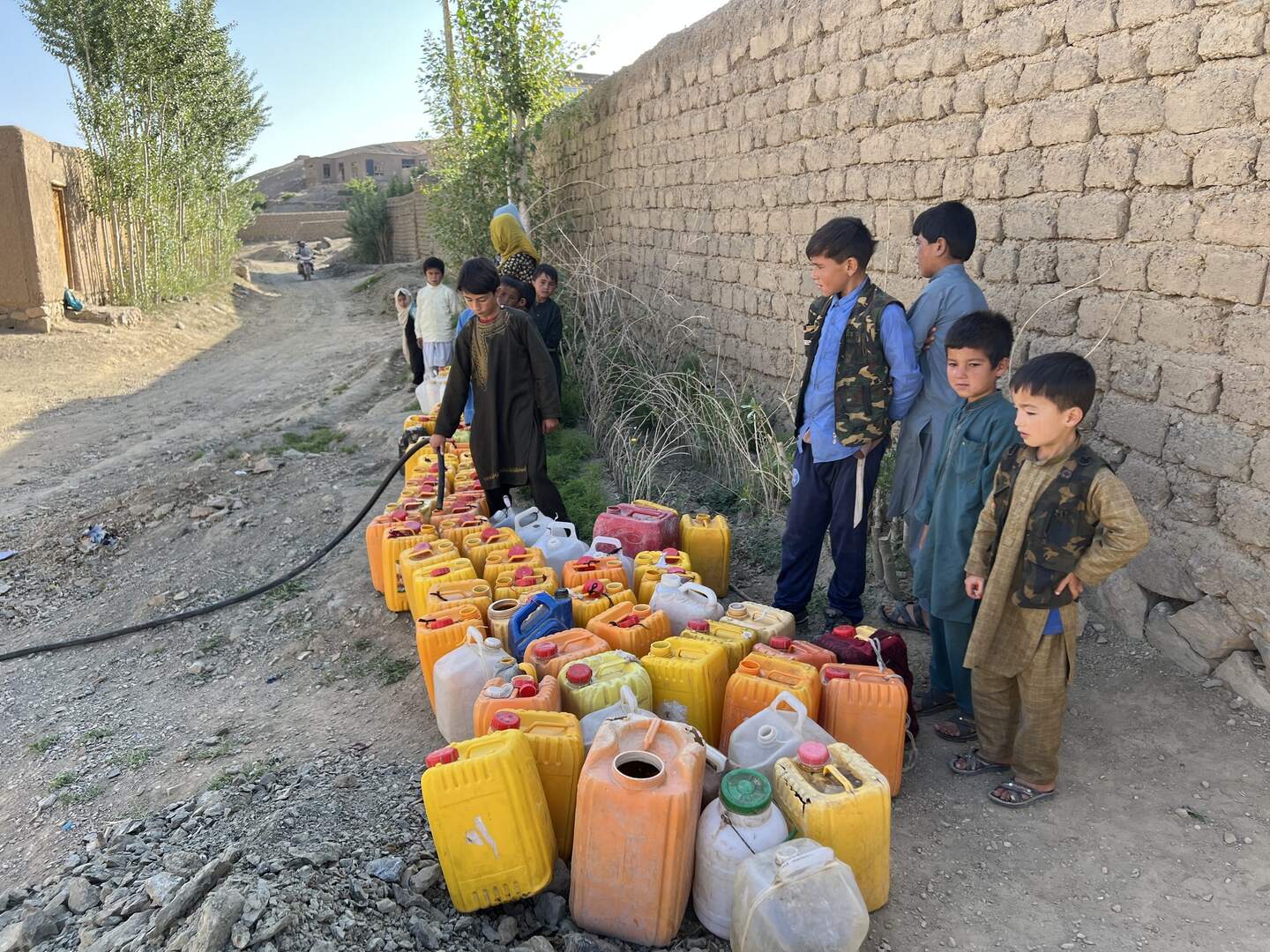
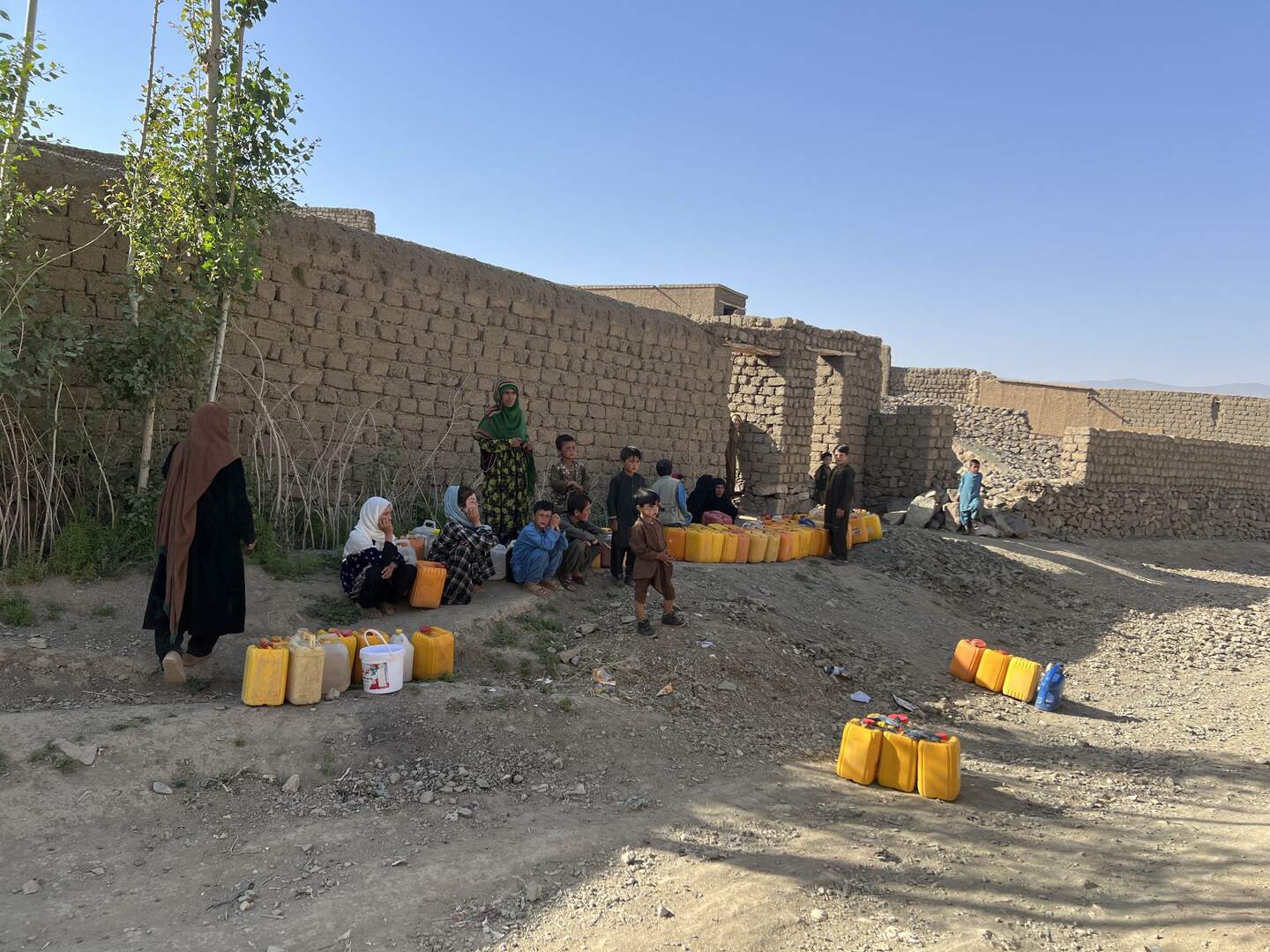
In Tappa-e-Shahida, Ghor, 90 to 100 families share one unreliable water source at the bottom of a steep, icy path. The daily climb is so dangerous that one mother lost her baby making it.
“I’d been married nine years, and I went to every province in Afghanistan for treatment so I could have a child. I was eight weeks pregnant. Because we have no water, I went down to fetch it, and I lost my baby. My heart aches so much.”
Families here sometimes go seven to ten days without bathing, and illness linked to poor hygiene has spread among the children. This pilot builds a solar-powered, gravity-fed water supply: solar pumps lift water to a 10,000-litre tank, and gravity carries it through pipes to water points near people’s homes, kept running year-round so that around 90 to 100 families never have to make that climb again. “For God’s sake, if they hear our voice, please help us. Save us from these water problems.”
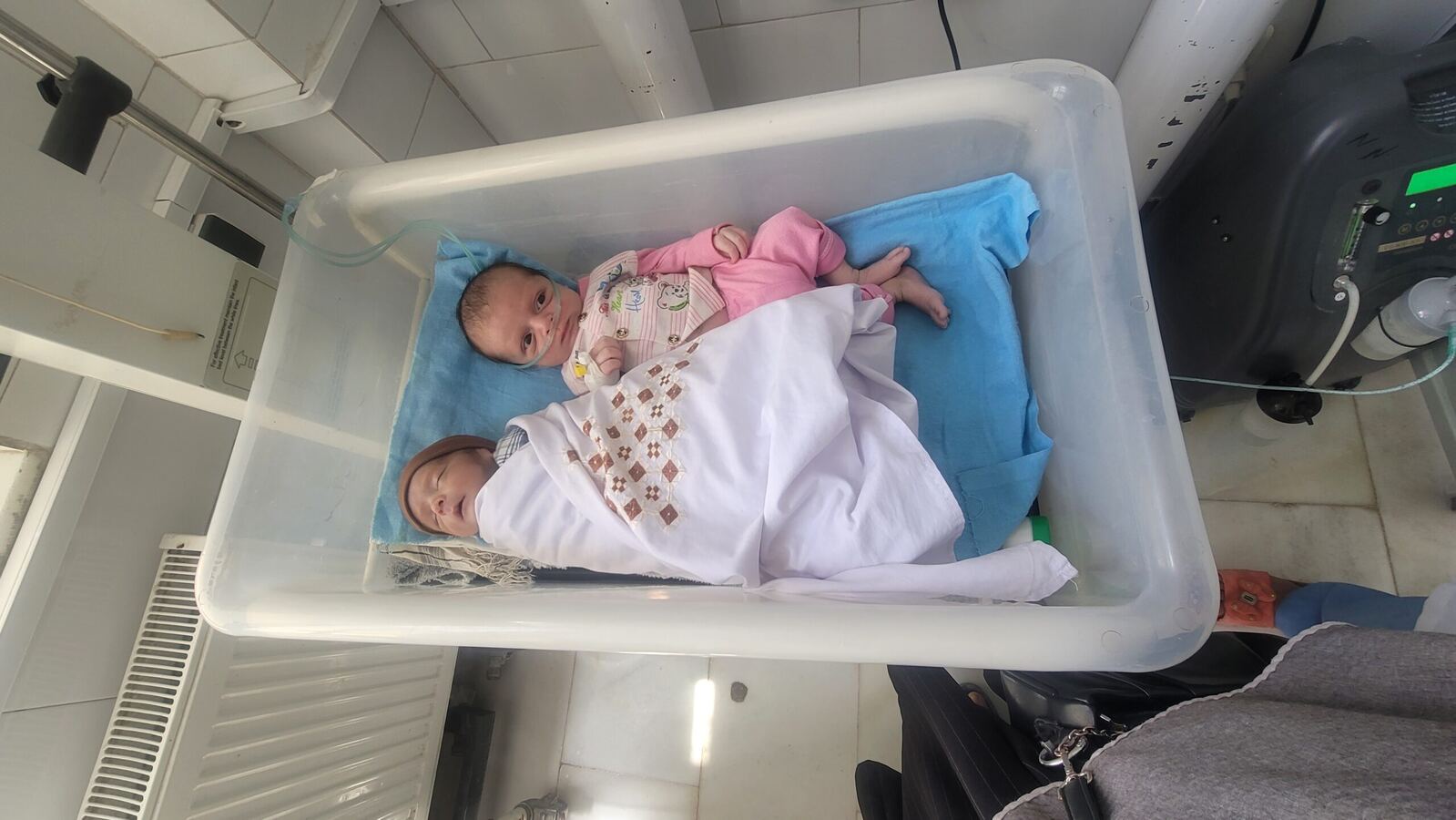
The Frugal Maternity Care Pilot equips one maternity and newborn unit with off-grid technology, so babies receive warmth, oxygen, and emergency care even when the electricity fails.
In the maternal and newborn units of public health facilities in Feroz Koh, Ghor Province, childbirth is increasingly high-risk due to critical shortages of essential equipment and unstable service capacity.
Many women must be referred to other provinces for basic obstetric and neonatal care, but extreme poverty and transport costs make that impossible, so delayed or missed referrals often end in preventable deaths. This pilot equips wards with essential devices, strengthens newborn care, and keeps services running locally so women receive life-saving care without leaving the province.
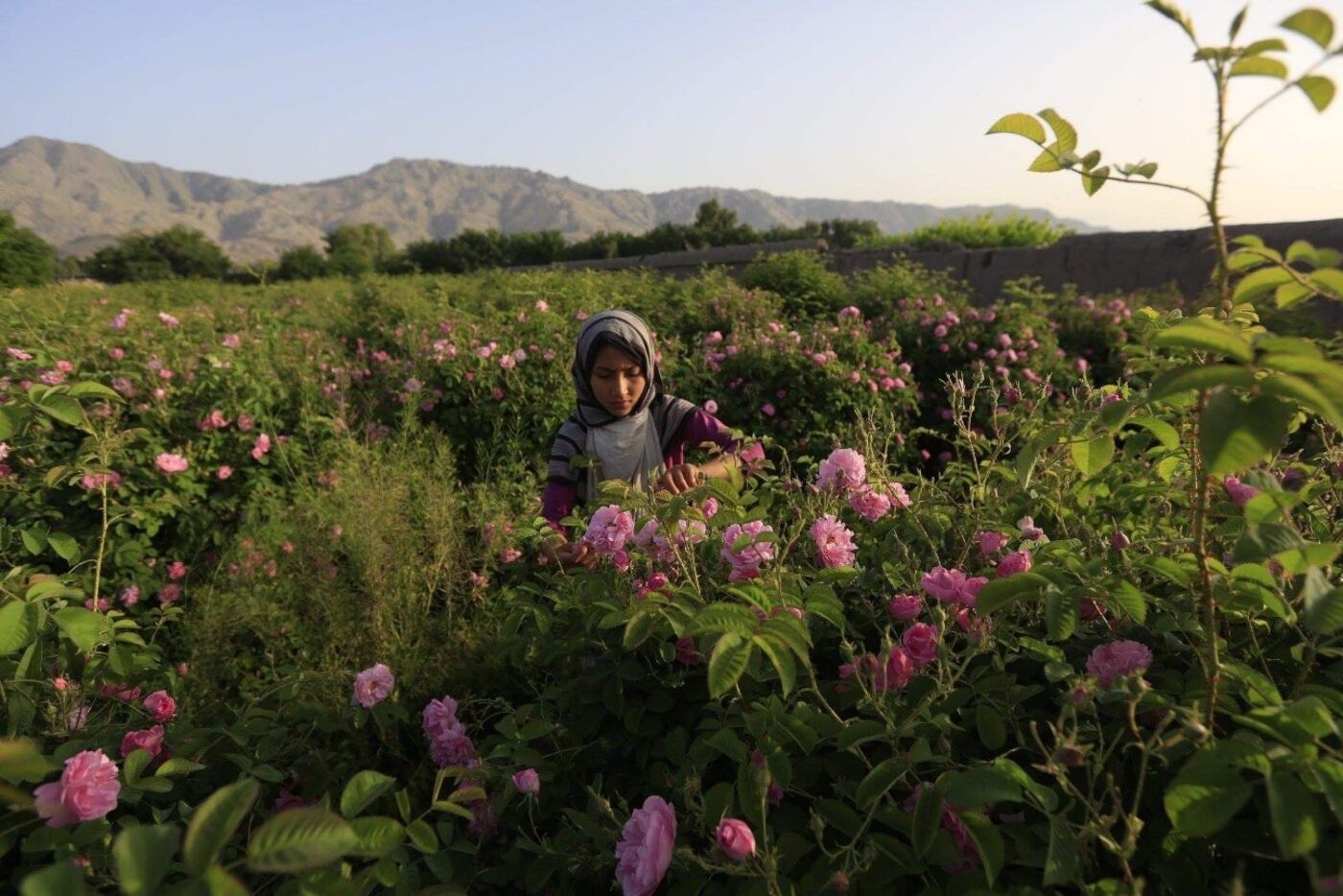
Through this pilot, women in Nangarhar will gain practical skills in traditional distillation, transforming local flowers and natural resources into sustainable livelihoods.
For many women in Nangarhar, opportunity is limited, but the natural resources around them are abundant. The Women’s Attar Initiative trains women in traditional distillation, giving them the skills to turn local flowers into valuable products and sustainable livelihood opportunities.
By preserving traditional knowledge and investing in women’s skills, this project creates lasting opportunities for greater economic independence and stronger communities.